
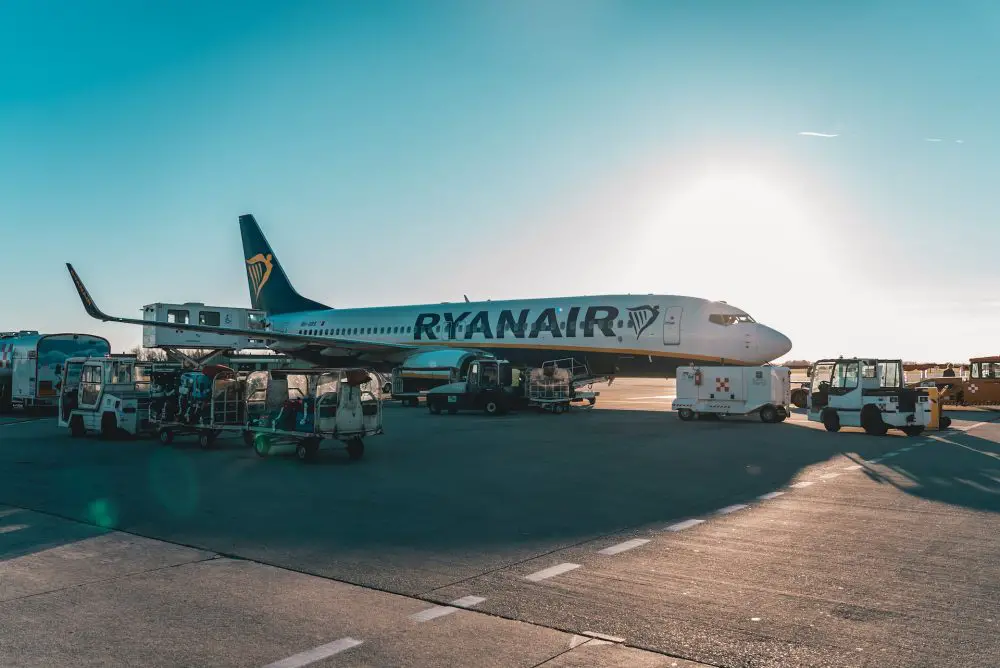
Ryanair, Europe’s largest low-cost airline, has announced a major reduction in its winter 2025/2026 schedule in Germany, cutting around 800,000 seats and cancelling 24 routes across nine German airports. The decision comes amid rising operational costs and what the airline calls “crippling” air travel taxes.
High Taxes Behind the Cuts
According to Ryanair, the move is a direct response to Germany’s high aviation taxes and increased airport fees. The carrier argues that the country has become significantly more expensive to operate in compared to other EU markets, discouraging growth and investment.
“The German government’s failure to reduce excessive aviation taxes has made flying to and from Germany less competitive,” Ryanair stated.
“We are now reallocating aircraft to countries that support lower-cost air travel and tourism growth.”
Germany’s air travel tax (Luftverkehrssteuer) — combined with higher charges for air traffic control and airport security — has led the airline to cut about 10% of its planned winter capacity.
Which Airports Are Affected?
Ryanair’s reductions will hit several regional airports particularly hard.
Among those affected are Hamburg, Dortmund, Dresden, and Leipzig, where multiple routes are being suspended. In some cases, such as Dortmund, Dresden, and Leipzig, Ryanair will not operate any flights at all this winter.
While exact route details vary by airport, the cancellations are expected to primarily affect connections to Southern Europe, including Spain, Italy, and Greece.
Impact on Travelers
The move will reduce travel options for passengers seeking budget-friendly flights from Germany during the winter season. Some regional airports are likely to experience notable declines in passenger numbers, as Ryanair has been one of their main low-cost operators.
Passengers whose flights are affected will be contacted directly and offered alternative routes or full refunds.
Possible Further Reductions Ahead
Ryanair has also warned that additional cuts could follow in summer 2026 if tax and cost conditions in Germany remain unchanged.
The airline claims that lowering the current aviation tax could lead to a significant rebound in traffic, potentially doubling passenger numbers over time.
Sources: Ryanair / Reuters / Welt