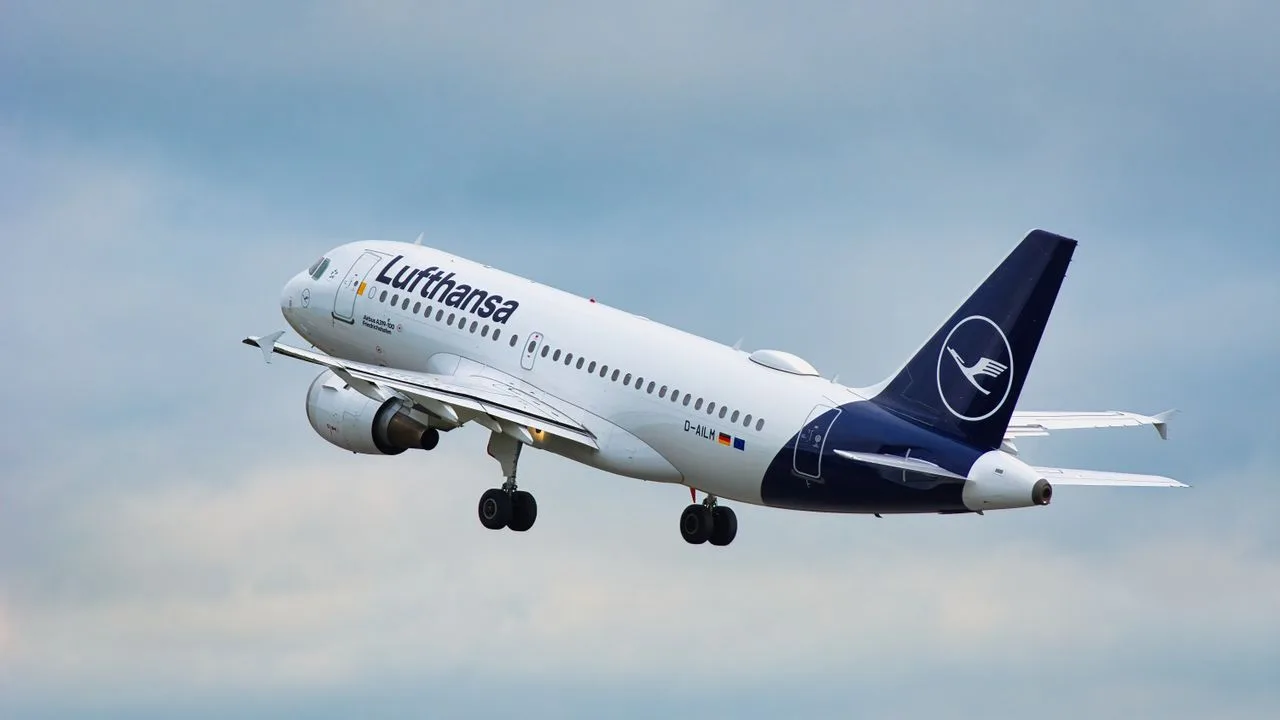
Lufthansa wins the bidding war for TAP Air Portugal with a €1.2B deal for a 44.9% stake. Discover what this landmark deal means for flight deals, Miles & More, transatlantic routes, and Star Alliance travellers.
The landscape of European travel and aviation has officially taken a major turn. The Portuguese government has selected the Lufthansa Group as the winning bidder to acquire a 44.9% strategic stake in TAP Air Portugal.
Valued at approximately €1.2 billion, the deal sees Germany’s aviation giant beat out rival Air France-KLM. An additional 5% stake has been reserved specifically for TAP employees, leaving the Portuguese state with a 50.1% majority holding.
For deal hunters, frequent flyers, and transatlantic travellers looking for cheap flight deals, this acquisition marks a major consolidation move that will reshape route networks, loyalty perks, and low-cost long-haul fares out of Lisbon.
Key Deal Breakdown at a Glance
- Acquiring Airline: Lufthansa Group (joining SWISS, Austrian Airlines, Brussels Airlines, and ITA Airways).
- Stake Size: 44.9% direct equity stake (+ 5% employee allocation).
- Transaction Value: ~€1.2 billion ($1.3 billion USD).
- Rival Bidders: Defeated Air France-KLM (whose offer was roughly 16% lower in net valuation).
- Target Closing: Subject to European Commission (DG COMP) regulatory review, expected to finalise around late 2027 or early 2028.
Why TAP Air Portugal is a Key Gateway
For travellers following Star Alliance flight deals on TravelFree, TAP Air Portugal has long been one of the most lucrative airlines for budget transatlantic flights, famous for competitive business class deals and cheap economy routes between Europe, North America, and South America.
1. Dominance in Brazil and South America
TAP is historically the leading European carrier for flights to Brazil, offering extensive direct connections from Lisbon to cities like Rio de Janeiro, São Paulo, Fortaleza, Recife, and Salvador. Lufthansa’s acquisition instantly boosts its market share on European–South American corridors.
2. Strategic Lisbon (LIS) Hub
As Lufthansa’s primary hubs in Frankfurt (FRA) and Munich (MUC) face slot caps and heavy congestion, Lisbon gives the Group a strategic southern hub with ideal geographical positioning for transatlantic and African routes.
3. Fleet Expansion & Investment
As part of the privatisation terms, Lufthansa has committed to expanding TAP’s fleet over the next decade from its current 101 aircraft to up to 130 aircraft once Lisbon’s new airport infrastructure matures.
What This Means for Travellers & Frequent Flyers
Frequent Flyer Programs (TAP Miles&Go vs. Miles & More)
- Alliance Alignment: Because both TAP Air Portugal and Lufthansa are long-time members of Star Alliance, TAP will remain within the alliance network.
- Integration into Miles & More: Similar to Lufthansa’s acquisition of ITA Airways, TAP is expected to eventually transition into the Miles & More loyalty program following deal completion.
- Earning & Redeeming: In the interim, Star Alliance miles (United MileagePlus, Air Canada Aeroplan, etc.) remain fully redeemable on TAP flights.
Flight Deals and Fares
- Transatlantic Pricing: TAP has frequently driven price competition across the Atlantic with cheap economy and discount Business Class fares. As TAP becomes closely integrated into Lufthansa’s transatlantic joint ventures (alongside United Airlines), pricing structures on competitive routes to North America may gradually align with broader group strategies.
- Lisbon Stopover Program: TAP’s popular Portugal Stopover program (which allows up to 10 days of free stopovers in Lisbon or Porto) is expected to be maintained to drive regional tourism.
What Happens Next?
The sale contract will now undergo detailed drafting before being submitted to European competition regulators for final approval. Given the recent regulatory approval of Lufthansa’s stake in ITA Airways, industry analysts expect a thorough review process that may require minor slot concessions at Lisbon Airport. Full operational and commercial integration is projected to unfold over the next two to three years.