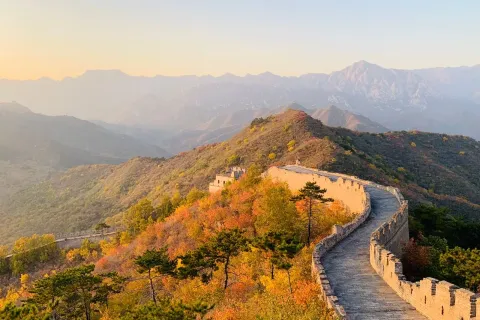
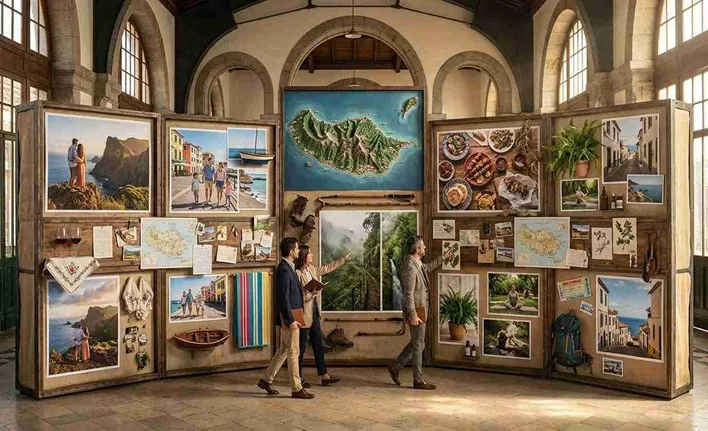
TravelFree publishes deals to more destinations in a single month than most travellers will ever visit in a lifetime, Rio de Janeiro one day, Chiang Mai the next, Tenerife the day after that. Every one of those posts genuinely benefits from an image, and until fairly recently, the only realistic way to get one was licensing a stock photo of a place nobody on the team had actually been to in person. Higgsfield’s AI Image Generator changes that calculation, producing an original destination visual instead of paying to license a photo someone else took, and Higgsfield is one of the tools built for exactly that job.
Publishing at This Volume Creates a Genuine Image Problem
A hand-checked deals site updating hourly across 15 regions of Europe and beyond is, by definition, writing about places faster than any single team could ever photograph in person, no matter how much any given writer might genuinely want to visit every destination they cover. That’s not a criticism of how these sites operate, it’s simply the nature of the format. A deal from Krakow to Shanghai gets written, verified, and published within the hour it’s found by the team, and the destination photo attached to it has to come from somewhere that isn’t a personal camera roll.
The image still matters enormously despite that constraint, arguably more than most other elements of the post itself. A deal listing with a genuinely appealing destination photo gets clicked far more than one with a generic, half-relevant stock image, and the difference in engagement between a strong destination visual and a weak one is not small on a site living or dying by click-through rate across thousands of individual posts.
Stock Photography Solved the Speed Problem but Created Others
Licensing stock photography has always been the practical answer to this volume problem, and it remains a genuinely reasonable choice for a lot of content published across the internet today. But it comes with real limitations that compound at scale. The same handful of iconic shots of any major destination, the same skyline, the same beach, the same landmark, end up recycled across thousands of travel sites, deal aggregators, and blogs covering the exact same places every single day of the year.
Licensing costs add up fast too, particularly for a site publishing dozens of destination-specific posts every single day across 15 different regions of Europe and beyond. And a stock photo, however polished, was taken by someone else, for someone else’s purposes, at a moment in time that may not match the season, the mood, or the specific angle a particular deal post actually needs to make its point clearly.
Generating a Destination Visual Instead of Licensing One
This is exactly the gap AI image generation is built to close for a publisher operating under exactly these kinds of time pressures. Rather than searching a stock library for whatever generic shot of Rio de Janeiro or Chiang Mai happens to be available and affordable that particular month, a publisher can describe the destination and the mood a specific post needs through Higgsfield, a golden-hour skyline, a quiet beach at dawn, a bustling night market, and generate something original built for that exact post.
That distinction matters more than it might first seem for a site competing against dozens of other travel and deal publishers covering the same destinations at the same time of year. An original visual, generated specifically for a post, doesn’t carry the same risk of looking identical to five other articles a reader might have already scrolled past that same week while comparing fares.
Where Higgsfield Fits Into a High-Volume Publishing Workflow
Higgsfield operates as a broader AI creative suite rather than a single-purpose image tool, bringing generation together with editing, video, and upscaling inside one connected platform built for content teams. For a publisher covering dozens of destinations a week, that range matters because a destination feature or guide might eventually need more than a single hero image, several angles of the same place, a short video teaser, or upscaled versions for different formats, all producible from the same Higgsfield workspace rather than several separate subscriptions.
Higgsfield gives access to 15 or more leading, well-established image models, letting a publisher compare which model renders a specific destination most convincingly and accurately; a tropical beach destination behaves differently under different models than a dense European city centre, before settling on whichever result actually looks like somewhere a reader would want to fly to. TravelFree’s own Brussels travel guide is exactly the kind of destination-specific content that genuinely benefits from imagery matched precisely to what the guide is actually describing, rather than a generic stock shot pulled from whatever was available in a licensing library that week.
What a Publisher Should Actually Know Before Relying on This
A handful of practical considerations determine whether generated destination imagery actually holds up for a high-volume publishing schedule like the one TravelFree runs across 15 regions, updating hourly with hand-checked deals rather than working from a slower, more relaxed editorial calendar.
First, generation speed matters as much as quality here. A deal post published within the hour of a fare drop can’t wait days for a custom image, and Higgsfield’s turnaround of minutes per generated visual is what makes this workflow realistic for a site operating on that kind of timeline in the first place, rather than something that only works for slower, more deliberate content produced weeks in advance.
Second, consistency across a large content library matters more than it might for a single blog post published once and left alone. Higgsfield supports applying a similar visual treatment across a batch of destination images, which helps a site maintain a recognisable visual identity across thousands of published posts covering wildly different parts of the world, from Scandinavian capitals to Southeast Asian beach towns, all under the same publisher’s name.
Third, accuracy to the actual destination still matters even when the image is generated rather than photographed on location by someone who’s actually been there. A visual claiming to represent Rio de Janeiro needs to actually look like Rio de Janeiro, not a generic tropical city that could be anywhere in the world, and getting that right requires comparing results across several models rather than accepting whichever output comes back first without a second look.
Being Honest About What Generated Imagery Actually Represents
This deserves direct treatment rather than a footnote, since a deal site’s credibility rests entirely on trust, trust that the fare is real, trust that the destination information is accurate, and by extension, trust that the imagery isn’t misleading readers about what they’re actually booking a flight toward in the first place before they hand over their card details.
The honest position is that a generated destination visual is illustrative rather than documentary; it represents the general character of a place rather than a specific photograph of a specific street or building a traveller will actually encounter on arrival. Sites using Higgsfield responsibly tend to treat generated images the same way they’d treat licensed stock photography, as visual representation of a destination’s general feel, not as a literal depiction of what a specific hotel room or street corner looks like on a given day. That distinction has always applied to stock photography too, and it applies just as clearly here, whether the source is a licensed library or a generated visual built through Higgsfield.
Comparing the Two Approaches Directly
The practical gap between licensed stock photography and generated destination imagery becomes clear once you consider cost, originality, and speed together at the volume a site like this actually operates at day in and day out, publishing new deals faster than most sites manage in a week.
| Factor | Licensed Stock Photography | Generated with Higgsfield |
| Cost at high volume | Per-image or subscription licensing fees | A fraction of that cost within a subscription plan |
| Originality | Shared across thousands of other sites | Generated fresh for each specific post |
| Turnaround | Instant, but limited to existing library shots | Minutes per generated visual |
| Matching a specific mood or angle | Limited to whatever exists in the library | Described and generated to match exactly |
| Best suited for | Iconic, unmistakable landmark shots | Everyday destination coverage at volume |
Neither approach fully replaces the other, and treating this as an either-or choice misses the point of what each one is actually good for. A handful of genuinely iconic, instantly recognisable landmark shots still have real value drawn from a stock library, readers know exactly what they’re looking at immediately without any ambiguity or need for a caption to explain it. What changes is whether the other thousands of destination posts a high-volume site publishes have to rely on the same recycled stock imagery every other travel site is also using week after week, regardless of how different each deal actually is.
The Kind of Publisher This Actually Helps
High-volume deal aggregators and travel news sites publishing dozens of destination-specific posts weekly stand to gain the most directly, since the resource gap between licensing thousands of individual stock images and generating them fits the exact volume problem this format creates for a publisher operating at this scale. Sites competing on visual distinctiveness against other aggregators covering the same routes and destinations benefit particularly and directly, since original imagery is one of the few differentiators available when the underlying deal information itself is often identical across competing sites tracking the same fares from the same airlines.
Smaller travel publishers without a stock photography budget or subscription also gain real value, since generation costs scale far better against a growing content library than per-image licensing fees ever could over the long run. Sites maintaining a large back catalogue of destination guides, the kind TravelFree runs alongside its deal listings, benefit from being able to keep visual coverage consistent across guides covering dozens of different countries and cities, without needing to renew or expand a stock licensing subscription every time coverage grows.
Testing This on a Small Batch First
Higgsfield is free to start with, so a sensible first step is picking ten or fifteen recent posts covering destinations without a strong existing stock image, generating visuals for them through Higgsfield, and comparing click-through performance against similar posts still running licensed stock photography over the same period. That comparison, run over a few weeks, gives a genuinely useful signal before committing to the approach across an entire publishing calendar spanning multiple regions and dozens of different destinations.
From there, building generation into the standard post-creation workflow, alongside the deal verification and fact-checking a hand-checked site already does before anything goes live, keeps the extra step from becoming a bottleneck rather than a genuine improvement to how quickly new content can go live once a fare drop is confirmed by the team.
Where This Leaves High-Volume Travel Publishing
As deal aggregators and travel news sites continue racing to cover more destinations faster than competitors, the visual side of that content has quietly remained one of the few parts of the process still bottlenecked by licensing costs and stock library limitations. Closing that gap doesn’t change what actually makes a deals site valuable, verified prices, accurate routes, genuine savings, but it does remove one of the last remaining reasons a fast-moving publisher’s visual content still looks identical to a dozen competitors covering the same fare.
For a site built on being first to a genuinely good deal, that advantage extending into the visuals attached to it is a natural next step, not a replacement for the actual reporting and verification work that makes a deals site worth trusting in the first place. Platforms structured around this shift, Higgsfield among them, are becoming part of how high-volume travel publishers close the visual gap that has traditionally separated well-funded outlets from smaller, faster-moving competitors covering the exact same fares.