Brussels often gets mixed reviews. Some travelers praise the beer and architecture; others think of politics first. The truth is simpler: Brussels works best when you give it time. The city reveals itself in layers, from grand monuments to oddball details that make a trip memorable. If you are planning your Brussels itinerary, consider this a Brussels travel guide grounded in practical observations instead of postcard clichés.
The Grand-Place and the Landmarks Worth Seeing
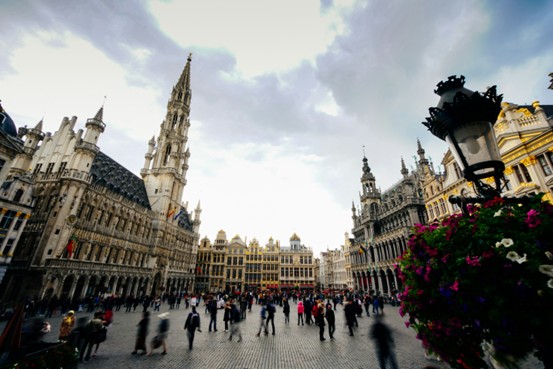
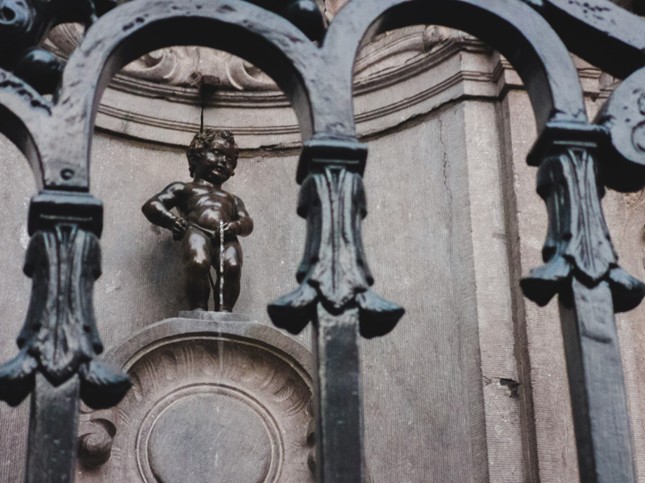
The Grand-Place is the one sight that truly stops visitors in their tracks. The ornate guild halls, many from the late seventeenth century, light up beautifully at sunset. Walk a few minutes and you reach Manneken Pis, the tiny bronze statue that somehow became a national icon. Half the fun is catching it in one of its many costumes.
The Atomium sits farther from the center. Up close it feels almost unreal, a cluster of stainless steel spheres towering above a quiet park. The panorama from the top is stronger than most travelers expect. If the weather cooperates, the visit feels entirely justified.
Important: Brussels earns its reputation with its classic sights, but only if you let yourself slow down.
The Parts of Brussels That Reward Curiosity
Most visitors stay near the Grand-Place, yet districts like Marolles, Ixelles, and Sablon show a different side of the city. In Sablon, antiques fill the weekend market. Marolles has a daily flea market with everything from collectible maps to old toys.
Tip: To get a broader sense of the region, you can explore a helpful overview here.
Museum goers often head straight for the Royal Museums of Fine Arts. The Musical Instruments Museum is a quieter alternative. It sits in a striking Art Nouveau building, and the audio system lets you hear samples from the instruments you are viewing. It sounds simple, yet it pulls you in fast.
Brussels also treats comics as cultural heritage. Over 50 comic book murals are scattered across residential streets. You will likely find a few by accident.
Important: Stepping outside the crowded center makes Brussels feel more authentic and more relaxed.
Taste Brussels the Right Way
Food shapes the Brussels experience more than any guidebook suggests. Start with waffles. The Brussels waffle is light with deep pockets. The Liège waffle is chewy with melted sugar that crisps at the edges. Try one of each, and you will understand the difference instantly.
Belgian beer and the beer culture is another local point of pride. Traditional lambics at breweries like Cantillon have a tart edge. The more experimental Brussels Beer Project offers unexpected twists that appeal to modern tastes.
Then come frites, double fried to stay crisp outside and soft inside. Maison Antoine is a classic stop, although small neighborhood stands can be just as good.
Chocolate closes the loop. Neuhaus created the praline in the early twentieth century. Shops like Pierre Marcolini and Laurent Gerbaud continue that tradition with high-quality ingredients and inventive flavor combinations.
Takeaway: Eat with intention. Brussels cuisine is comforting, rich, and firmly rooted in tradition.
Art Nouveau Corners and the Joy of Wandering
Brussels has an impressive Art Nouveau legacy. The former house of architect Victor Horta feels like a sculpture that happens to function as a home. Light bends along curved staircases and carved wood panels. It is worth seeing even if you are not an architecture fan.
Brussels rewards strolling without a strict plan. Side streets lead to quiet squares, local bakeries, and small murals that make the city feel personal. Treat it less like a checklist and more like a place to explore at your own pace.
Important: The city shows its true character when you allow yourself to wander.
Closing Thoughts: Brussels Leaves a Subtle Impression
Some capitals impress quickly. Brussels works differently. The more time you spend wandering markets, tasting beer in small bars, or watching people argue cheerfully about chocolate, the more the city grows on you.
No place is perfect. Yet when you visit Brussels with realistic expectations, you leave with stories, not disappointments. The mix of history, everyday life, and a little chaos gives the city a charm that feels genuine.