
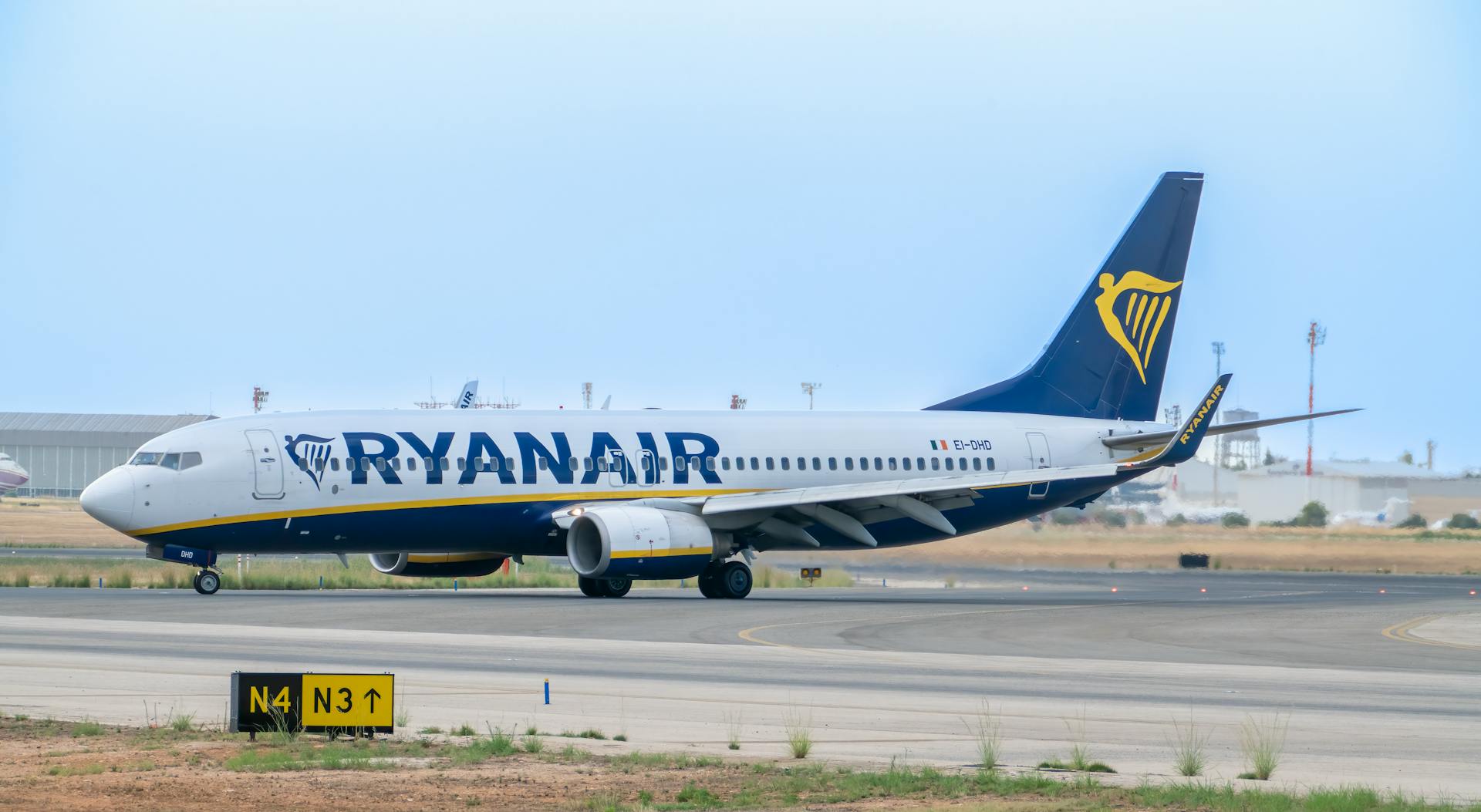
Irish low-cost carrier Ryanair has announced a major downsizing of its Belgian operations, cutting 20 routes and 1 million seats from its Brussels Winter 2026/27 schedule. The airline blames the decision on the Belgian federal government’s plan to double the national aviation tax to €10 per departing passenger from 2027, and a new proposed €3 fee per passenger at Charleroi Airport starting in 2026.
The move will hit both Brussels Airport (Zaventem) and Brussels South Charleroi Airport, and raises fresh questions about the competitiveness of Belgium as an aviation market.
What exactly is Ryanair cutting in Belgium?
According to Ryanair’s official statement, the airline will:
- Remove 1 million seats from its Belgian Winter 2026/27 schedule (around 22% of its Brussels traffic).
- Withdraw 5 based aircraft from Charleroi, representing a loss of around $500 million in investment.
- Cancel 20 routes in total:
– 13 routes from Charleroi
– 7 routes from Brussels Airport (Zaventem)
Ryanair has not yet publicly released a full list of the affected routes. Passengers who regularly fly to or from Brussels with Ryanair during the winter season should therefore pay close attention to schedule changes and possible cancellations in the coming months.
Why is Ryanair cutting Brussels routes?
The cuts are a direct response to rising taxes and charges on air travel in Belgium.
1. Doubling the Belgian aviation tax
The Belgian federal government has decided to double the national air passenger tax to €10 per departing passenger from 2027. This comes on top of a sharp tax increase already introduced in the summer, when levies on many flights—especially those over 500 km—were raised by up to 150%.
Ryanair argues that these repeated tax hikes make Belgium one of the least competitive aviation markets in Europe, especially at a time when several other EU countries are doing the opposite and reducing or scrapping aviation taxes to stimulate demand.
2. New local fee at Charleroi Airport
On top of the national tax, Charleroi city council is planning to introduce an additional €3 municipal tax per departing passenger from 2026.
Ryanair says this “ill-judged” local charge will raise airport access costs even further and could trigger deeper cuts from April 2026, including more route closures and fewer based aircraft at Charleroi.
How will passengers at Brussels and Charleroi be affected?
Fewer routes and higher fares
With 20 routes cancelled and 1 million seats removed, travellers can expect:
- Reduced choice of destinations from both Brussels airports, particularly low-cost leisure routes.
- Less competition on remaining routes, which may lead to higher average fares.
- More passengers having to connect via other hubs or use alternative airports in neighbouring countries (such as Eindhoven, Lille or Düsseldorf).
Winter 2026/27 schedule under pressure
The changes specifically target the Winter 2026/27 schedule, meaning they will be felt most strongly during the late 2026 and early 2027 travel period.
If the Charleroi tax is confirmed, Ryanair has warned that:
- Some cuts could start as early as April 2026.
- More aircraft could be relocated to countries with lower taxes.
- Thousands of local jobs at and around Charleroi Airport could be at risk.
How does Belgium compare to other European countries?
Ryanair highlights that Belgium is moving in the opposite direction to several other EU states:
- Sweden, Hungary, Italy and Slovakia are either reducing or abolishing aviation taxes.
- Germany recently reversed part of its own aviation tax policy after airlines like Ryanair and easyJet reduced capacity in response to higher charges.
The airline argues that by raising taxes while neighbours cut them, Belgium risks losing:
- Passenger traffic to nearby airports abroad
- Tourism income and associated spending
- Jobs in aviation and the wider travel industry
For low-cost carriers, which operate on thin margins, airport and government charges are a critical factor in deciding where to base aircraft and open new routes.
Will Ryanair leave Belgium completely?
For now, Ryanair is not leaving Belgium. The airline will continue to operate a reduced network from both Brussels Airport and Charleroi. However, its message to the Belgian government is clear:
If the aviation tax is doubled and the Charleroi passenger fee goes ahead, Ryanair will continue to scale back its Belgian operations and shift capacity to lower-tax countries.
In other words, Belgium will still see Ryanair flights—but fewer routes, fewer seats and fewer aircraft than today.
What should travellers do now?
If you regularly use Ryanair flights from Brussels Airport or Brussels South Charleroi, here’s how to prepare:
- Check your Winter 2026/27 bookings: keep an eye on emails and app notifications from Ryanair for any schedule changes or cancellations.
- Compare prices with nearby airports: sometimes departing from Eindhoven, Lille, Düsseldorf or other regional airports may become cheaper or offer more choice if Belgian taxes push fares up.
- Book early for peak dates: with 1 million seats removed from the market, popular winter dates and holiday periods may sell out faster.
FAQ: Ryanair’s Brussels route cuts and Belgian aviation tax
When will Ryanair’s route cuts in Belgium take effect?
The cuts are planned for the Winter 2026/27 schedule, which typically runs from late October 2026 to late March 2027. Ryanair has also warned that additional reductions could begin from April 2026 if the Charleroi municipal tax is introduced.
How many routes are being cancelled at each Brussels airport?
Ryanair plans to cancel 20 routes in total: 13 from Charleroi and 7 from Brussels Airport (Zaventem). The company has not yet published the full route list.
Why is Belgium doubling the aviation tax?
The Belgian government aims to increase tax revenue and encourage more sustainable travel by raising the national air passenger tax to €10 per departing passenger from 2027, following an earlier increase in 2025. Critics—including Ryanair and other airlines—argue that the policy may instead push passengers to fly from airports in neighbouring countries.