

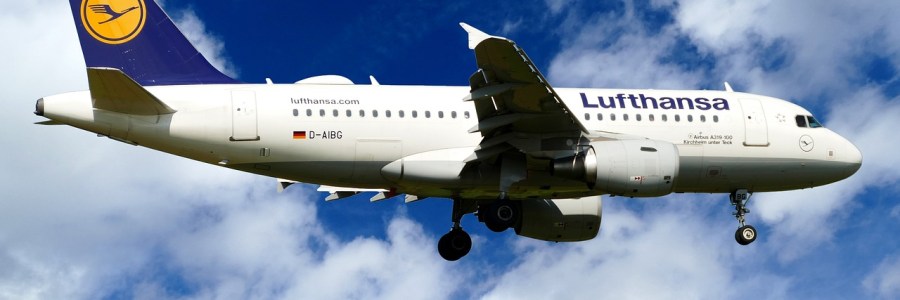
Lufthansa to Grow Long-Haul Flights by 6% in 2026 (More Seats Coming)
Lufthansa says it expects long-haul capacity to grow by around 6% in 2026, supported by new widebody aircraft deliveries roughly every two weeks—a major step in the airline group’s broader turnaround plan.
For travelers, that usually means more frequencies on existing routes, improved long-haul availability (especially across the Atlantic), and potentially better chances of finding competitive fares—even if overall pricing may stay firm due to strong demand and limited aircraft supply across the industry.
Quick summary
- Lufthansa projects +6% long-haul growth in 2026 (capacity / supply).
- Overall group capacity growth is forecast at ~3.5% in 2026, with short-haul growth more limited as Lufthansa focuses on hub efficiency.
- The airline expects to reach ~98% of pre-pandemic capacity (still slightly behind some rivals).
- Lufthansa’s strategy leans into premium demand and its new “Allegris” cabin product—especially with a strong U.S. sales mix.
- Lufthansa signaled more frequencies on key routes in 2026, while new routes are more likely in 2027 once additional aircraft arrive.
Why Lufthansa is expanding long-haul in 2026
Lufthansa CEO Carsten Spohr says the group is prioritizing long-haul because it can expand internationally while keeping short-haul growth constrained—by integrating operations more tightly across its hub system.
In plain language: Lufthansa wants to avoid adding lots of short flights (where costs and taxes can bite harder) and instead push growth into intercontinental routes, where yields can be stronger—especially when premium cabins sell well.
A key enabler is fleet delivery flow: Lufthansa expects a new widebody aircraft roughly every other week, which should finally add the capacity needed after recent delivery delays across the industry.
What this could mean for travelers in Europe
1) More long-haul seats from Lufthansa hubs (and better connectivity)
If Lufthansa follows through, travelers should see more long-haul availability from core hubs, especially Frankfurt and Munich, with extra frequencies on certain routes.
That typically improves:
- Connection options from across Europe via Germany
- Seat availability during peak periods (summer, major holidays)
- The odds of scoring a deal—particularly on dates where Lufthansa adds frequency rather than launching brand-new routes
2) Frequencies first, new routes later
Lufthansa indicated it would focus on increasing frequencies on key routes in 2026, while new routes could come in 2027 once even more aircraft capacity is available.
So for deal hunters: 2026 may be less about headline-grabbing “new destinations” and more about more flights on routes that already exist.
3) Transatlantic focus and smaller U.S. cities
Reuters reporting highlights that Lufthansa has been growing across the U.S., including from smaller American cities, and mentioned boosting Frankfurt–Raleigh-Durham and Frankfurt–St. Louis in 2026.
For European travelers, this matters because expanded U.S. networks can:
- Improve one-stop access to secondary U.S. cities
- Increase overall transatlantic seat supply (which can affect pricing across competing carriers)
4) Premium cabins are a big part of the plan (Allegris)
Lufthansa is betting on higher-paying passengers and premium demand, with a push around its Allegris cabin rollout. Reuters notes Lufthansa expects this premium strategy to support stronger yields.
If you fly Business or Premium Economy, watch for:
- Aircraft rotations that introduce Allegris-equipped planes on specific routes
- Potentially higher pricing on the most sought-after premium configurations (depending on market)
Lufthansa’s turnaround context (why this expansion matters)
Lufthansa’s growth story isn’t just about adding flights—it’s part of an effort to improve profitability and catch up to rivals that recovered faster after the pandemic.
Reuters notes investor concerns around Lufthansa’s relatively slim margins and operational/labor pressures, as well as efforts to cut costs and simplify a complex group structure.
Lufthansa has also pointed to structural challenges in Germany, where rising taxes and fees have affected short-haul and domestic flying—one reason the group is keeping short-haul growth limited while expanding long-haul.
Will this lead to cheaper Lufthansa long-haul fares in 2026?
More seats can help prices—especially when airlines add capacity on competitive routes. But Lufthansa also expects continued robust demand and notes that aircraft supply remains constrained, which can keep fares stable or even rising in busy markets.
What’s realistic:
- More seat availability (good for award searches and last-minute trips)
- More tactical sales when Lufthansa needs to fill added frequencies (watch shoulder season)
- Less likely: a broad fare collapse—unless demand weakens materially
FAQ
Is Lufthansa increasing long-haul flights in 2026?
Yes. Lufthansa told Reuters it forecasts around 6% long-haul capacity growth in 2026, supported by incoming widebody aircraft deliveries.
Is Lufthansa also growing short-haul in 2026?
Growth is expected to be more limited on short-haul, as Lufthansa aims to gain efficiencies via hub integration while prioritizing long-haul expansion.
Is Lufthansa back to pre-COVID capacity?
Not fully yet. Lufthansa expects to reach about 98% of pre-pandemic capacity in 2026.
What routes could see more flights?
Lufthansa signaled frequency increases on key routes in 2026; Reuters also mentioned boosts such as Frankfurt–Raleigh-Durham and Frankfurt–St. Louis.