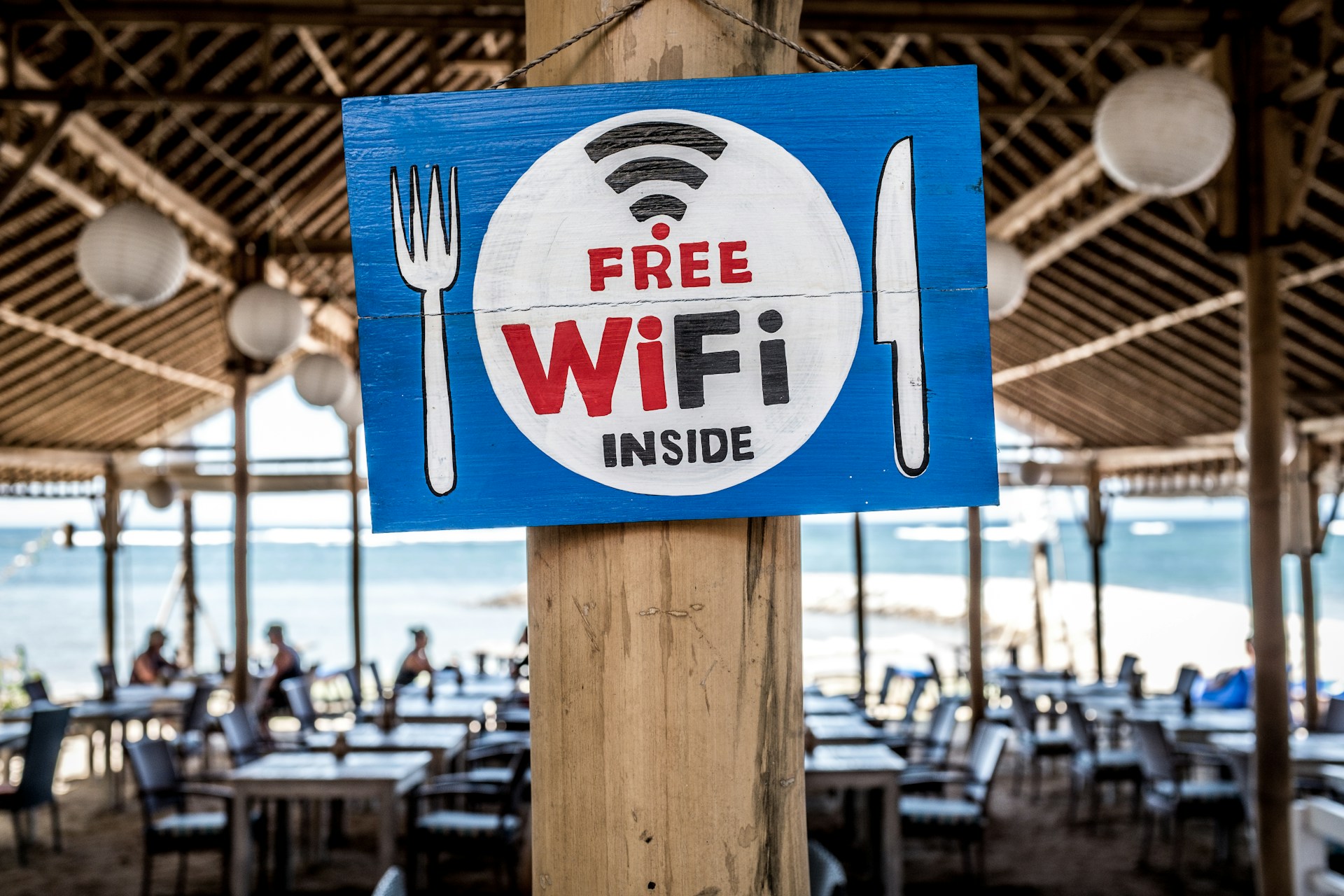
The rise of remote work has given birth to a new breed of professionals: digital nomads. These individuals combine work and travel, seeking destinations that offer not only cultural richness and affordability but also the critical infrastructure to support their location-independent lifestyle. Among the many factors that digital nomads must consider—cost of living, visa policies, and community—one stands out as non-negotiable: reliable Wi-Fi. Without a stable and fast internet connection, the freedom of working from anywhere becomes a frustrating pipe dream. In this article, we’ll explore the best countries for digital nomads in terms of reliable Wi-Fi, diving into their internet infrastructure, cultural appeal, and practical tips for staying connected while on the move.
Why Reliable Wi-Fi Matters for Digital Nomads
Before delving into specific destinations, it’s worth underscoring why Wi-Fi is the backbone of the digital nomad lifestyle. Whether you’re a freelance developer, a content creator, or a remote employee, your ability to work depends on consistent internet access. According to Private Internet Access (PIA) research, unreliable connections can lead to significant productivity losses, missed deadlines, and increased stress for remote workers. Video calls with clients, uploading large files, and managing online projects all require bandwidth and stability that can’t be left to chance.
Moreover, Wi-Fi isn’t just about work. It’s about staying connected with loved ones, navigating new cities, and accessing resources that make travel smoother. For digital nomads, the stakes are high: a dropped connection can mean a dropped opportunity. With that in mind, let’s explore some of the best countries where reliable Wi-Fi is a given, not a gamble.
1. South Korea: A Tech Haven with Blazing Speeds
South Korea often tops lists for internet speed and connectivity, and for good reason. The country boasts some of the fastest average broadband speeds in the world, with public Wi-Fi widely available in urban areas like Seoul, Busan, and Incheon. South Korea’s investment in technology infrastructure has made it a paradise for digital nomads who need uninterrupted access to the internet.
In Seoul, you’ll find Wi-Fi hotspots in cafés, public transportation, and even parks. The government has rolled out initiatives like free public Wi-Fi zones in major cities, ensuring that nomads can stay connected without relying solely on mobile data. Average download speeds often exceed 100 Mbps, and 5G networks are widely accessible, making South Korea a dream for bandwidth-intensive tasks like video editing or live streaming.
Beyond connectivity, South Korea offers a vibrant culture, affordable living (outside of central Seoul), and a thriving expat community. Co-working spaces like WeWork and FastFive cater to remote workers with high-speed internet and modern amenities. The only downside? Language barriers can be a challenge, but many younger Koreans speak English, and translation apps can bridge the gap.
Tips for Staying Connected:
- Look for “KT Olleh” or “SK Telecom” Wi-Fi networks in public spaces—they’re often free or accessible with minimal registration.
- Consider purchasing a local SIM card with unlimited data for backup; they’re affordable and easy to get at airports or convenience stores.
- Base yourself in tech hubs like Gangnam or Hongdae for the best infrastructure.
2. Estonia: The Digital Nomad’s Hidden Gem
Estonia has positioned itself as a leader in digital innovation, famously declaring internet access a basic human right. The small Baltic nation offers excellent Wi-Fi coverage, especially in its capital, Tallinn, where free public Wi-Fi is available in most squares, cafés, and libraries. Average speeds hover around 80-100 Mbps, and the country’s e-residency program has made it a magnet for remote workers looking to start businesses in the EU.
Tallinn’s medieval charm contrasts beautifully with its modern tech infrastructure, making it an inspiring place to work. Co-working spaces like Lift99 and Spring Hub provide reliable internet and opportunities to network with other nomads and entrepreneurs. Estonia also offers a digital nomad visa, allowing remote workers to stay for up to a year, which adds to its appeal.
One thing to note: while Wi-Fi is excellent in urban areas, rural regions can be less reliable. If you’re planning to explore Estonia’s countryside, a mobile hotspot or local SIM card might be necessary.
Tips for Staying Connected:
- Use the “Tallinn WiFi” network for free access in the capital.
- Join co-working spaces for guaranteed high-speed connections and community events.
- If venturing outside cities, ensure your accommodation has verified internet access before booking.
3. Japan: High-Tech Meets Cultural Depth
Japan is another tech powerhouse that ranks high for digital nomads seeking reliable Wi-Fi. With average speeds around 50-60 Mbps for public Wi-Fi and much higher for private networks, cities like Tokyo, Osaka, and Kyoto are well-equipped for remote work. Many cafés, train stations, and convenience stores offer free Wi-Fi, though some may require registration or a Japanese phone number to access.
The country’s infrastructure is complemented by its unique blend of tradition and modernity, making it an exciting place to live and work. Co-working spaces like Regus and Spaces are plentiful in major cities, and bullet trains (Shinkansen) often have Wi-Fi, so you can stay productive while traveling between destinations.
Japan can be expensive, particularly in Tokyo, but smaller cities like Fukuoka offer a lower cost of living without sacrificing connectivity. One potential drawback is the language barrier—English signage and support can be limited—but the country’s safety, cleanliness, and efficiency more than make up for it.
Tips for Staying Connected:
- Download the “Japan Connected-free Wi-Fi” app to access thousands of hotspots across the country.
- Rent a pocket Wi-Fi device (available at airports) for seamless connectivity on the go.
- Test café Wi-Fi before settling in—some smaller establishments may have slower speeds.
4. Portugal: Affordable and Connected
Portugal has emerged as a top destination for digital nomads, thanks to its affordable cost of living, welcoming vibe, and solid internet infrastructure. Cities like Lisbon, Porto, and Lagos boast average Wi-Fi speeds of 60-80 Mbps, with many cafés and co-working spaces catering specifically to remote workers. The country also offers a digital nomad visa, allowing stays of up to a year, renewable for five years.
Lisbon’s vibrant expat community and abundance of co-working spaces (like Outsite and Selina) make it a hub for nomads. Public Wi-Fi is available in many areas, though it’s not as ubiquitous as in South Korea or Estonia. For those who prefer quieter settings, the Algarve region offers beachside towns with decent connectivity and a slower pace of life.
Portugal’s warm climate, rich history, and relatively low cost of living make it an ideal base. However, speeds can vary outside major cities, so research accommodations carefully if you’re planning to work from rural areas.
Tips for Staying Connected:
- Look for accommodations with verified high-speed internet, especially if staying in smaller towns.
- Join co-working spaces for consistent connectivity and networking opportunities.
- Use apps like WiFi Map to find reliable hotspots in less touristy areas.
5. Singapore: A Compact Powerhouse
Singapore is a small city-state with a big reputation for technological excellence. Its average internet speeds often exceed 80 Mbps, and public Wi-Fi networks like “Wireless@SG” are accessible across the island with a simple registration. From Changi Airport to MRT stations, staying connected in Singapore is effortless.
The city’s modernity, safety, and efficiency make it a favorite for digital nomads, though its high cost of living can be a drawback. Co-working spaces like The Working Capitol and JustCo provide top-notch internet and luxurious amenities, while hawker centers and cafés offer affordable spots to work with decent Wi-Fi.
Singapore’s compact size means you’re never far from a connection, but it lacks the sprawling diversity of larger countries. It’s best for nomads who prefer urban environments and don’t mind the higher costs.
Tips for Staying Connected:
- Sign up for the “Wireless@SG” network for free access in most public areas.
- Base yourself in areas like Orchard Road or Marina Bay for the best infrastructure.
- Consider a local SIM card for 5G speeds if public Wi-Fi isn’t cutting it.
6. Romania: Affordable and Surprisingly Fast
Romania might not be the first country that comes to mind, but it’s a hidden gem for digital nomads. The country boasts some of the fastest internet in Europe, with average speeds around 50-60 Mbps even in smaller cities like Cluj-Napoca and Timișoara. Bucharest, the capital, is a growing hub for remote workers, with affordable co-working spaces and cafés offering reliable Wi-Fi.
Romania’s low cost of living—combined with its rich history, stunning landscapes, and vibrant culture—makes it an attractive option. While public Wi-Fi isn’t as widespread as in Western Europe, most accommodations and workspaces provide high-speed connections. The country is also part of the EU, making it easier for European nomads to settle in.
Tips for Staying Connected:
- Stick to urban areas for the best internet access; rural regions can be hit-or-miss.
- Check out co-working spaces like Commons or TechHub in Bucharest.
- Use a local SIM card for backup, as they’re cheap and widely available.
Practical Considerations for Digital Nomads
While these countries offer excellent Wi-Fi, a few practical tips can ensure you’re always connected, no matter where you are:
- Invest in a Mobile Hotspot: Devices like Skyroam Solis or GlocalMe provide global coverage and can be a lifesaver in areas with spotty public Wi-Fi.
- Research Accommodations: Always check reviews for mentions of internet speed and reliability before booking Airbnb or hostels.
- Leverage Co-working Spaces: These are often the most reliable option for high-speed internet and come with the added bonus of community.
- Have a Backup Plan: A local SIM card with data or a satellite internet option (like Starlink) can keep you online in remote areas.
- Test Before Committing: If working from a café, test the Wi-Fi speed before ordering your coffee—apps like Speedtest by Ookla can help.
Conclusion
For digital nomads, reliable Wi-Fi is the foundation of a successful work-and-travel lifestyle. Countries like South Korea, Estonia, Japan, Portugal, Singapore, and Romania stand out for their excellent internet infrastructure, offering a mix of speed, accessibility, and affordability. Each destination brings its own cultural flair and practical advantages, allowing nomads to craft a life that balances productivity with exploration.
When choosing your next base, consider not just the Wi-Fi but also the overall vibe of the place—after all, being a digital nomad is about more than just work. It’s about living fully in each moment, whether you’re coding in a Seoul skyscraper or brainstorming in a Lisbon café. With the right preparation and a solid connection, the world truly becomes your office. So pack your laptop, double-check your hotspot, and set off for one of these Wi-Fi-friendly havens—your next great adventure awaits.