
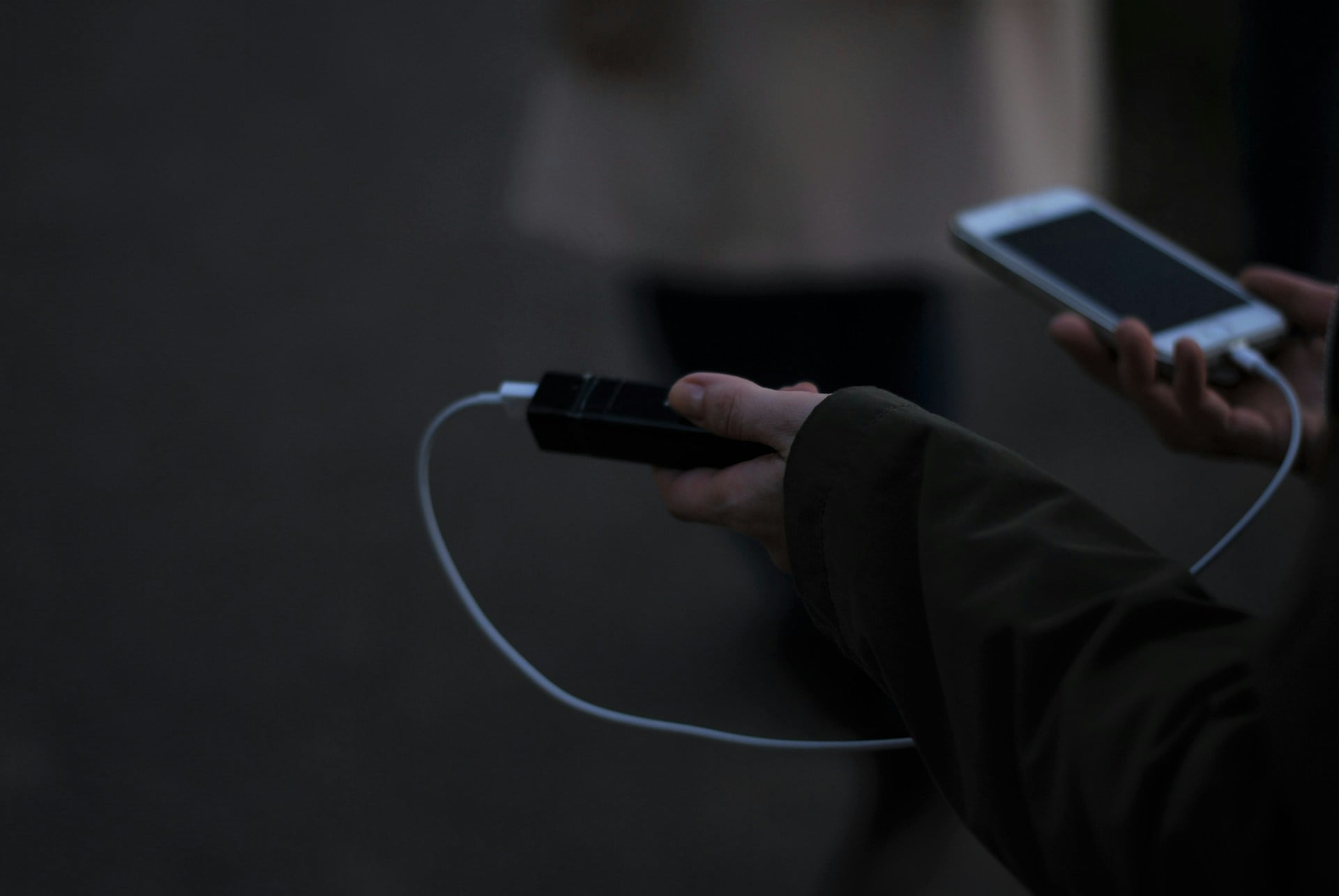
We’ve all been there: you’re halfway through a long-haul flight, you’re right in the middle of a great movie, and suddenly your screen dims. The dreaded 5% battery warning appears. In the past, you’d simply reach into your bag, pull out your trusty power bank, and plug in.
But if you are flying in 2026, you need to rethink your in-flight charging strategy.
On March 27, 2026, the International Civil Aviation Organization (ICAO) rolled out strict new global regulations regarding lithium-ion power banks on commercial flights. Whether you are a frequent flyer or planning your next big vacation, here is everything you need to know about the new airplane rules for power banks so you don’t get your gear confiscated at airport security.
The new ICAO mandate applies to all 193 member states, meaning these rules are universal—no matter which airline you are flying or what country you are departing from.
Here are the two major changes you need to know:
- The Two-Device Limit: Passengers are now legally limited to carrying a maximum of two power banks per person.
- The In-Flight Charging Ban: This is the big one. You are no longer allowed to use a power bank to charge your devices while on the aircraft. The devices must remain unplugged and safely stowed for the duration of the flight.
(Note: Airline crew members are exempt from these specific limits to fulfill their operational duties).
Why Did the Rules Change?
It all comes down to safety. In recent years, the aviation industry has seen an alarming increase in in-flight fires and cabin smoke events. The culprit? Lithium-ion batteries are experiencing “thermal runaway”—a chain reaction that can cause a battery to overheat and catch fire.
When a power bank is actively charging a device, it generates heat. By restricting the total number of batteries in the cabin and banning active charging, the ICAO aims to reduce the risk of a mid-air fire emergency drastically.
The Golden Rules: What Remains Unchanged
While the in-flight charging ban and the two-device limit are new, the core TSA and ICAO regulations for flying with portable chargers remain strictly in place. If you want to travel hassle-free, remember these golden rules:
1. Carry-On Only (Never in Checked Luggage)
Power banks must never be placed in the cargo hold. They must stay in your carry-on suitcase, backpack, or purse. If a battery malfunctions, the cabin crew needs to be able to see the smoke and extinguish the fire immediately. If it happens under the plane in the cargo hold, the consequences could be disastrous.
2. Mind the Capacity Limits (The 100Wh Rule)
Not all power banks are allowed on planes. The capacity of your portable charger matters:
- Under 100 Watt-Hours (Wh): Perfectly fine to bring on board (this covers 95% of standard smartphone power banks).
- Between 100 Wh and 160 Wh: You must get explicit, prior approval from your airline before flying.
- Over 160 Wh: Completely banned from passenger aircraft.
How to Check Your Power Bank’s Capacity
Not sure if your power bank is under the 100Wh limit? Most power banks list their capacity in milliampere-hours (mAh) rather than Watt-hours (Wh).
Don’t worry, the math is simple. To find the Wh, multiply the mAh by the voltage (usually 3.7V for lithium-ion), and divide by 1,000.
- Example: A massive 20,000mAh power bank x 3.7V / 1000 = 74 Wh.
Since 74 Wh is well under the 100 Wh limit, a 20,000mAh power bank is perfectly safe to bring in your carry-on!
Pro Tips for Surviving Long Flights Under the New Rules
Since you can no longer rely on your power bank to juice up your phone or tablet at 35,000 feet, here’s how TravelFree recommends you prepare for your next flight:
- Charge at the Gate: Arrive at the airport with plenty of time to find a wall outlet or charging station at your boarding gate. Board the plane at 100%.
- Bring the Right Cables: Most modern aircraft are equipped with built-in USB-A, USB-C, or universal power outlets built into the seats. Pack your actual charging cord in your personal item so you can plug directly into the plane’s power supply.
- Download Offline Content: Streaming over airplane Wi-Fi drains your battery incredibly fast. Download your Netflix shows, Spotify playlists, and Kindle books at home before you leave.
- Turn on Low Power Mode: As soon as you sit down, switch your devices to Low Power/Battery Saver mode and dim your screen brightness to squeeze out extra hours of life.