
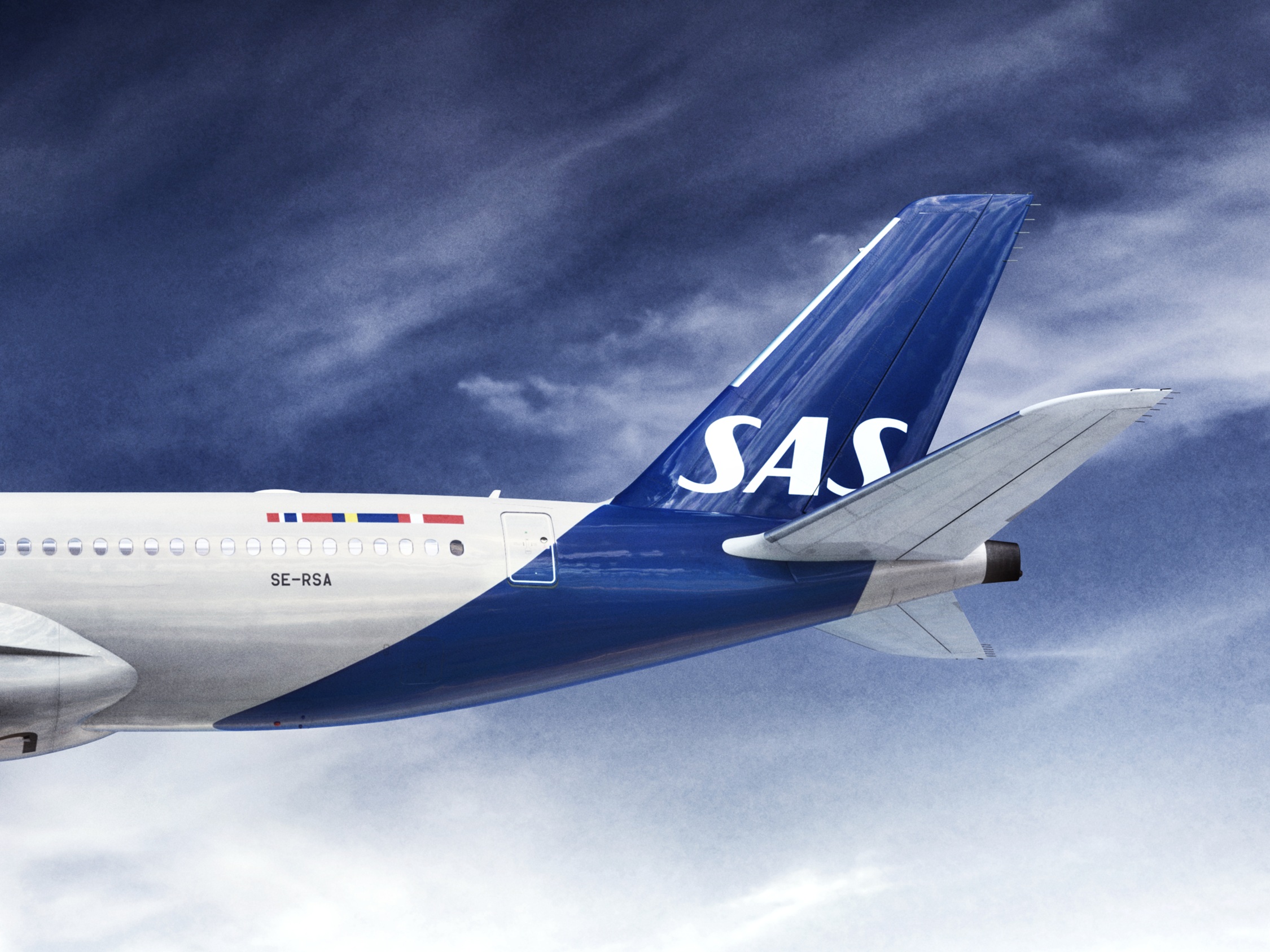
Scandinavian Airlines (SAS) has announced significant schedule reductions for the upcoming spring travel season, canceling hundreds of flights in March and at least 1,000 flights scheduled for April.
Driven by an unprecedented surge in global jet fuel prices, the move comes as the aviation industry scrambles to adapt to the geopolitical instability and supply chain disruptions rooted in the ongoing Middle East conflict.
Here is a breakdown of the important facts, the reasons behind the disruptions, and the routes currently affected.
Why Is SAS Canceling Flights?
According to SAS CEO Anko van der Werff, the immediate catalyst is a sudden financial shock: the price of jet fuel has doubled in just ten days. Recent escalations in the Middle East—which have heavily disrupted key maritime passages like the Strait of Hormuz—have pushed the global benchmark for Brent crude well past $100 per barrel. Data from the International Air Transport Association (IATA) shows global jet fuel prices surging over 80% in the past month.
- The Cost Impact: The fuel spike has added more than 500 SEK (approx. $54) in expenses per average short-haul flight, while transatlantic operating costs have soared by roughly 2,700 SEK (approx. $290) per flight.
- Operational Resilience: While SAS has officially cited fuel costs as the primary driver, some regional aviation forums and Norwegian media reports suggest the airline is also battling ongoing crew scheduling disputes and a lack of pilot overtime availability, compounding the need to trim the schedule.
Which Routes Are Affected?
To manage the fallout, SAS is deploying a strategy of “consolidation,” cutting back on flights where alternative connections are readily available to limit stranded passengers.
- March Cancellations: Roughly 100 to 200 flights have been scrapped so far this month. The vast majority of these are domestic routes within Norway, with a smaller number impacting departures out of Sweden and Denmark (including the vital Copenhagen-Oslo route).
- April Cancellations: The bulk of the cuts will occur post-Easter, a period when travel demand naturally dips. SAS expects to cut at least 1,000 flights in April. Reductions will mostly target high-frequency routes where travelers can be easily rebooked onto later departures the same day.
- Middle East Suspensions: SAS has entirely suspended services to destinations such as Tel Aviv and Beirut due to airspace and security concerns. Additionally, the planned launch of a Copenhagen–Dubai route for later this year may be delayed.
Note: While 1,000 flights sounds drastic, SAS operates roughly 800 flights per day (over 5,000 weekly), meaning the April cancellations represent a targeted, fractional reduction rather than a total grounding.
What This Means for Passengers
If you are flying with SAS in the coming months, expect a turbulent booking environment.
- Rising Fares & Surcharges: SAS was among the first European carriers to introduce a fuel surcharge last week to offset costs. If you are booking summer travel now, prepare for noticeably higher ticket prices.
- Existing Bookings: Passengers with existing tickets will not face retroactive surcharges, but you should monitor your inbox closely for itinerary changes or rebooking notices, especially if you are traveling domestically within Scandinavia after the Easter holiday.
- Industry-Wide Trend: SAS is not alone. Major carriers like Air France-KLM, Cathay Pacific, Qantas, and Air India are all actively raising fares and trimming capacity as jet fuel economics break down.